

Introduction
Architectural design is more than just creating buildings; it’s about crafting spaces that inspire, function, and stand the test of time. Whether you’re planning to build your dream home or simply looking for inspiration, understanding the latest trends and techniques in architectural design can make all the difference. In this comprehensive guide, we’ll explore the key elements of modern architectural design, share expert tips, and provide actionable insights to help you create a space that’s both beautiful and functional.
1. Understanding Modern Architectural Design
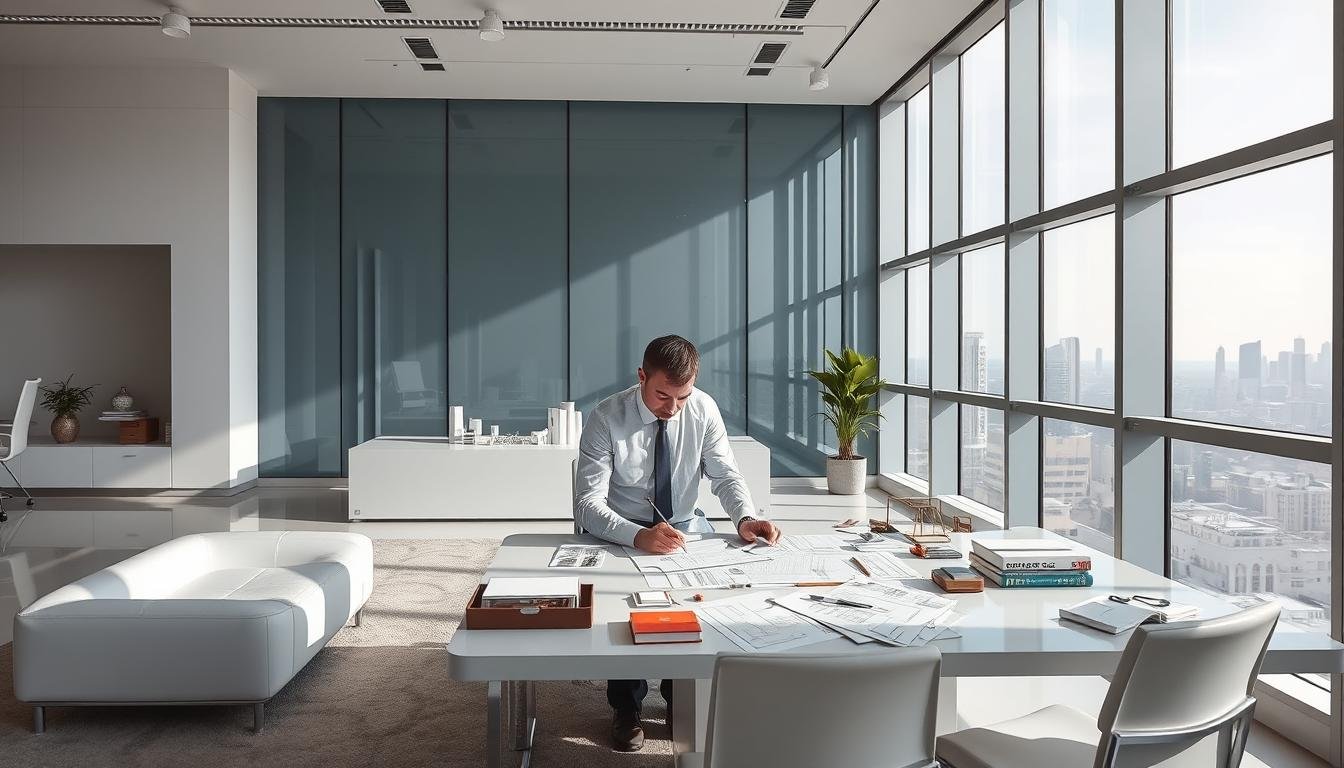
Modern architectural design is characterized by clean lines, open spaces, and a focus on functionality. It often incorporates elements such as large windows, minimalist decor, and sustainable materials. The goal is to create a space that feels both contemporary and timeless.
Key Features of Modern Architecture:
- Open Floor Plans: Removing walls to create a seamless flow between living spaces.
- Natural Light: Maximizing windows and skylights to bring in natural light.
- Sustainable Materials: Using eco-friendly materials like reclaimed wood, bamboo, and recycled metal.
- Minimalist Aesthetic: Simplifying design elements to create a clean, uncluttered look.
2. Latest Trends in Architectural Design
Staying updated with the latest trends can help you make informed decisions about your home’s design. Here are some of the most popular trends in modern architecture:
a. Biophilic Design:
Biophilic design focuses on connecting occupants with nature. This can be achieved through the use of natural materials, indoor plants, and large windows that offer views of the outdoors.
b. Smart Homes:
Integrating technology into your home’s design is no longer a luxury but a necessity. Smart home features like automated lighting, climate control, and security systems are becoming standard in modern architecture.
c. Mixed Materials:
Combining different materials like wood, metal, and glass can add texture and depth to your home’s design. This trend is particularly popular in kitchens and bathrooms.
d. Outdoor Living Spaces:
Creating functional outdoor spaces like patios, decks, and gardens extends your living area and provides a perfect spot for relaxation and entertainment.
3. Expert Tips for Architectural Design
Designing a home that meets your needs and reflects your personality requires careful planning. Here are some expert tips to guide you through the process:
a. Prioritize Functionality:
While aesthetics are important, functionality should always come first. Consider how you’ll use each space and design accordingly.
b. Work with a Professional:
Hiring an experienced architect can help you navigate the complexities of design and construction. They can offer valuable insights and ensure your project stays on track.
c. Consider the Future:
Think about how your needs might change over time. Designing a flexible space that can adapt to different uses will ensure your home remains functional for years to come.
d. Focus on Sustainability:
Incorporating sustainable design elements not only benefits the environment but can also save you money in the long run. Consider energy-efficient appliances, solar panels, and water-saving fixtures.
4. Innovative Techniques in Architectural Design
Advancements in technology and materials have opened up new possibilities in architectural design. Here are some innovative techniques that are shaping the future of architecture:
a. 3D Printing:
3D printing is revolutionizing the construction industry by allowing architects to create complex structures with precision and efficiency.
b. Modular Construction:
Modular construction involves building sections of a home off-site and then assembling them on-site. This method is faster, more cost-effective, and produces less waste.
c. Virtual Reality (VR):
VR technology allows architects and clients to visualize designs in a realistic, immersive way. This can help you make more informed decisions and avoid costly changes later on.
d. Green Roofs:
Green roofs, which are covered with vegetation, provide insulation, reduce stormwater runoff, and improve air quality. They’re a great way to incorporate sustainability into your design.
Conclusion
Architectural design is a dynamic field that continues to evolve with new trends, technologies, and techniques. By understanding the principles of modern architecture, staying updated with the latest trends, and working with experienced professionals, you can create a home that’s not only beautiful but also functional and sustainable.
Whether you’re building a new home or renovating an existing one, the key is to plan carefully, prioritize your needs, and embrace innovation. With the right approach, you can design a space that reflects your personality, meets your needs, and stands the test of time.